- All
- Product Name
- Product Keyword
- Product Model
- Product Summary
- Product Description
- Multi Field Search
Views: 1 Author: Site Editor Publish Time: 2026-06-04 Origin: Site


A Circular Knitting Machine is one of the most common machines used in modern knitted fabric production. Many everyday fabrics, including T-shirt fabric, underwear fabric, sportswear fabric, rib fabric, and some functional knitted textiles, are made with this type of equipment.
For many textile buyers or factory owners, the term may sound simple at first. But once machine types, gauges, diameters, feeders, fabric structures, and production requirements are involved, the topic becomes more practical and more detailed. Understanding the basics can help manufacturers choose suitable equipment, communicate with suppliers more clearly, and avoid buying a machine that does not match their actual fabric needs.
This guide explains what a circular knitting machine is, how it works, what types are commonly used, and what factors should be considered before choosing one.
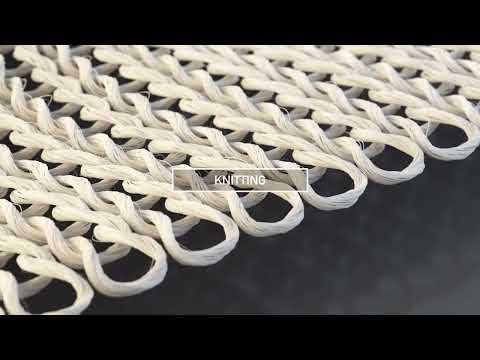
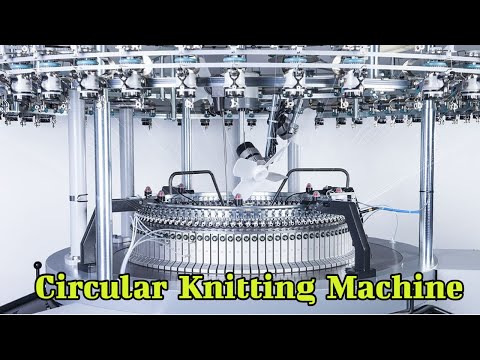
A circular knitting machine is a textile machine that uses needles arranged in a circular form to create knitted fabric from yarn. During production, the yarn is continuously fed into the knitting area, and the needles move up and down to form loops. These loops connect with previous loops to create fabric.
Unlike flat knitting machines, which usually produce flat panels, circular knitting machines are mainly used to produce tubular or continuous roll fabric. This makes them especially suitable for high-volume fabric production.
For manufacturers that need stable knitted fabric output, a circular knitting machine is often a practical choice for producing apparel fabrics and other knitted materials.
In simple terms, the machine turns yarn into fabric through repeated loop formation. The process looks fast and mechanical, but fabric quality still depends on many details, such as needle condition, yarn tension, machine setting, gauge, and operator experience.
The basic working principle of a circular knitting machine is not too difficult to understand. The machine feeds yarn into a circular needle system, and the needles form loops continuously as the cylinder rotates.
A typical circular knitting process includes the following steps:
Yarn is placed on the creel or yarn stand.
The yarn passes through tension control devices.
Yarn feeders guide the yarn into the knitting area.
Needles move according to the cam system.
Each needle catches the yarn and forms a new loop.
New loops connect with existing loops.
The knitted fabric is pulled downward by the take-down system.
The finished fabric is collected in roll or tubular form.
Although the process is continuous, small changes in yarn tension, needle movement, or machine speed can affect the final fabric. This is why circular knitting is not only about machine capacity. It is also about stable control.

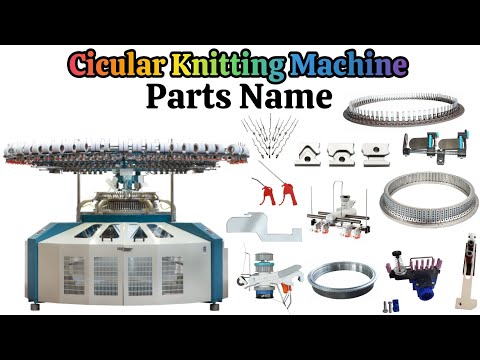
Component | Main Function | Why It Matters |
Needle Cylinder | Holds needles in a circular arrangement | Helps determine machine type and fabric structure |
Needles | Form yarn loops | Directly affects stitch quality |
Cams | Control needle movement | Influences loop formation and fabric style |
Yarn Feeders | Feed yarn into the knitting zone | Affects speed, color options, and yarn control |
Sinkers | Hold and guide yarn loops | Helps improve fabric stability |
Take-down System | Pulls finished fabric downward | Keeps fabric tension consistent |
Lubrication System | Reduces friction between moving parts | Supports long-term machine operation |
These parts work together. If one part is not adjusted properly, fabric defects may appear, even if the machine itself is good quality.

Circular knitting machines can be divided into several types based on fabric structure and machine configuration. Different machines are designed for different knitted fabrics, so choosing the right type is important.

Circular knitting machines can be divided into different types according to fabric structure, needle arrangement, and pattern control. In practical production, the most common categories are single jersey circular knitting machines and double jersey circular knitting machines. Some machines, such as rib, interlock, and double jersey jacquard machines, can be understood as more specific types under the double jersey category.
A single jersey circular knitting machine produces single-layer knitted fabric. This type of fabric is usually light, soft, and flexible, making it suitable for many everyday garments.
It is widely used in:
T-shirts
Underwear
Casualwear
Lightweight sportswear
Basic knitted garments
Single jersey machines are common because they are efficient and suitable for producing many standard apparel fabrics. For factories that mainly produce basic knitted fabric in large quantities, this is often one of the first machine types to consider.
A double jersey circular knitting machine usually has both a cylinder and a dial needle system. This structure allows it to produce more stable, thicker, and more structured knitted fabrics compared with single jersey machines.
Common fabrics produced by double jersey machines include:
Interlock fabric
Rib fabric
Double-knit fabric
Structured knitted fabric
Double jersey machines are often used for sportswear, babywear, casualwear, and garments that require better fabric stability. Under this category, rib knitting machines, interlock knitting machines, and double jersey jacquard knitting machines are commonly seen as more specific machine types.
A rib knitting machine is commonly considered a type of double jersey circular knitting machine. It is designed to produce rib structures with good stretch and recovery.
Rib fabric is often used for:
Cuffs
Collars
Waistbands
Elastic garment parts
Fitted knitted fabrics
Rib fabric is not only functional but also important for garment finishing. A good rib structure can improve comfort, fit, and fabric recovery.
An interlock knitting machine is another typical type under the double jersey category. It is used to produce interlock fabric, which is generally smoother, thicker, and more stable than basic single jersey fabric.
Interlock fabric is often used in:
Babywear
Sportswear
Casualwear
Soft structured garments
Comfortable innerwear fabrics
Because of its stable structure and soft hand feel, interlock fabric is often selected when manufacturers need a balance between comfort and durability.
A double jersey jacquard knitting machine combines double jersey fabric structure with jacquard pattern control. It can produce patterned double-knit fabrics and more complex designs than standard double jersey machines.
Typical applications include:
Fashion fabrics
Sportswear fabric
Decorative knitted fabric
Mattress fabric
Functional textile materials
This type of machine is usually chosen when the buyer needs both fabric stability and more design flexibility.
A jacquard circular knitting machine is used to create patterned knitted fabric. However, “jacquard” mainly refers to the pattern-control function, not only one fixed fabric structure.
So, jacquard circular knitting machines may include:
Single jersey jacquard circular knitting machines
Double jersey jacquard circular knitting machines
For this reason, jacquard machines can also be introduced as a functional category. They are suitable for buyers who need more complex surface patterns, decorative fabric effects, or differentiated textile designs.
Main Category | Specific Machine Type | Common Fabric | Typical Applications |
Single Jersey Circular Knitting Machine | Single Jersey Machine | Single jersey fabric | T-shirts, underwear, casualwear, lightweight sportswear |
Double Jersey Circular Knitting Machine | Double Jersey Machine | Interlock, double-knit, structured fabric | Sportswear, babywear, casualwear, thicker garments |
Double Jersey Circular Knitting Machine | Rib Knitting Machine | Rib fabric | Cuffs, collars, waistbands, elastic garment parts |
Double Jersey Circular Knitting Machine | Interlock Knitting Machine | Interlock fabric | Babywear, sportswear, casualwear, soft structured garments |
Double Jersey Circular Knitting Machine | Double Jersey Jacquard Knitting Machine | Patterned double-knit fabric | Home textiles, mattress fabric, casualwear, decorative fabrics |
Functional / Specialized Circular Knitting Machine | Terry Knitting Machine | Terry fabric | Towels, loungewear, warm knitted fabrics |
Functional / Specialized Circular Knitting Machine | Fleece Knitting Machine | Fleece fabric | Hoodies, sportswear, winter clothing |
This table provides a clearer starting point for understanding circular knitting machine categories. In practical production, single jersey and double jersey machines are often treated as the two main structural categories, while rib, interlock, and double jersey jacquard machines can be understood as more specific machine types under the double jersey category. Terry and fleece machines are usually selected according to special fabric requirements. The final choice should still be based on the target fabric specification, because two machines may look similar from the outside, but their actual production capabilities can be quite different.
A circular knitting machine can produce many types of knitted fabric, depending on machine structure, gauge, yarn type, and cam arrangement.
Common fabrics include:
Single jersey fabric
Rib fabric
Interlock fabric
Fleece fabric
Terry fabric
Mesh fabric
Jacquard fabric
Pique fabric
Functional stretch fabric
Some technical knitted textiles
For practical equipment selection, it is usually better to start from the final fabric rather than the machine name. A factory making basic T-shirt fabric may not need the same machine as a factory producing jacquard sportswear fabric. Similarly, a buyer producing rib cuffs will need a different setup from a buyer producing fleece fabric for hoodies.
This is a common issue in textile equipment purchasing. Buyers sometimes ask for a “circular knitting machine” without clearly defining the fabric they want to produce. In reality, the fabric goal should come first.
A circular knitting machine is only one type of knitting equipment. To understand it more clearly, it helps to compare it with other common machines.
Circular knitting machines mainly produce continuous tubular or roll fabric. They are suitable for high-volume fabric production.
Flat knitting machines, on the other hand, produce flat knitted panels. They are commonly used for sweaters, collars, cuffs, and shaped garment parts.
In simple terms:
Circular knitting machine: better for continuous fabric production
Flat knitting machine: better for shaped panels and garment parts
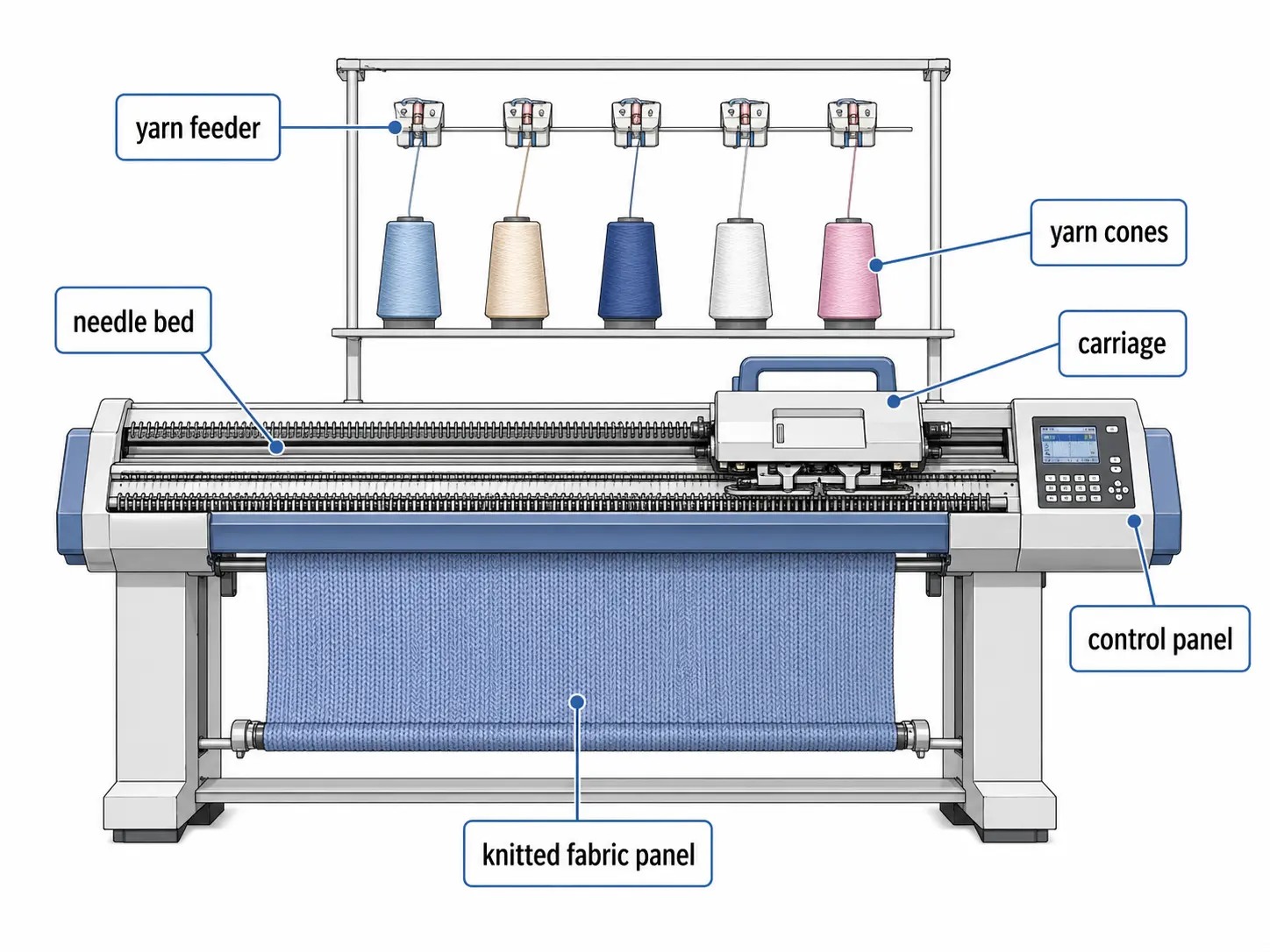
Circular knitting belongs to weft knitting. In weft knitting, the yarn generally moves horizontally across the fabric structure, forming loops row by row.
Warp knitting uses multiple yarns running lengthwise. It is often used for mesh fabric, lace, technical textiles, and fabrics that need strong dimensional stability.
When comparing each industrial knitting machine, the most important question is not only “Which machine is better?” but “Which machine is suitable for the fabric and production goal?”
Machine Type | Fabric Formation | Common Use |
Circular Knitting Machine | Weft loops in circular form | T-shirt fabric, underwear, sportswear |
Flat Knitting Machine | Flat panels or shaped pieces | Sweaters, collars, cuffs |
Warp Knitting Machine | Lengthwise yarn system | Mesh, lace, technical textiles |
Circular knitting machines are widely used in the textile and garment industry. Their biggest advantage is that they can produce knitted fabric efficiently and continuously.
This is the most common application. Circular knitting machines are used to produce fabrics for:
T-shirts
Polo shirts
Underwear
Leggings
Dresses
Casual garments
The fabric is usually soft, stretchable, and comfortable, which makes it suitable for daily clothing.
Sportswear often requires stretch, breathability, moisture control, and comfort. Circular knitting machines can produce many knitted structures used in activewear, including mesh, jersey, interlock, and elastic fabrics.
Underwear fabric needs to be soft, smooth, and skin-friendly. Single jersey, rib, and interlock fabrics are commonly used in this area.
Some knitted home textile products can also be made with circular knitting machines, such as mattress fabric, decorative fabric, and certain soft furnishing materials.
Circular knitted fabrics may be used in elastic medical textiles, support garments, compression-related products, and hygiene-related textile materials. These applications usually require more precise control of fabric structure and material performance.
As textile production becomes more specialized, circular knitting machines are also used in some technical textile fields. These may include functional fabrics, automotive textiles, protective textiles, and industrial fabric materials.
Circular knitting machines are popular because they offer a strong balance between production efficiency and fabric flexibility.
Main advantages include:
High production speed
Continuous fabric output
Suitable for mass production
Good fabric elasticity
Wide fabric structure options
Stable fabric quality when properly adjusted
Compatibility with many yarn types
Ability to produce both basic and functional knitted fabrics
From a production point of view, the machine is especially valuable when a factory needs consistent output over long production runs. Once the settings are correct, the machine can produce large quantities of fabric with relatively stable quality.
However, it is worth noting that “high efficiency” does not mean the machine can solve every problem automatically. Yarn quality, operator skill, machine maintenance, and correct setup still matter a lot.
Common Problems and Maintenance Considerations
Even with a good circular knitting machine, production problems can happen. In many cases, the issue is not caused by one single factor. It may come from yarn quality, needle wear, incorrect tension, poor cleaning, or improper machine adjustment.
Some common problems include:
Dropped stitches
Missed stitches
Yarn breaks
Holes in the fabric
Uneven fabric tension
Needle marks
Oil stains
Fabric distortion
Irregular loop size
These issues can affect fabric appearance, strength, and production efficiency. For example, yarn breaks may stop production frequently, while uneven tension may create unstable fabric quality.
To keep the machine working properly, factories should pay attention to regular maintenance.
Useful practices include:
Check needles regularly and replace damaged ones.
Keep yarn tension stable during production.
Clean lint, dust, and yarn waste from the machine.
Use proper lubrication according to machine requirements.
Monitor fabric quality during production, not only after production.
Train operators to understand machine settings.
Check yarn quality before large-scale production.
Good maintenance does not only extend machine life. It also reduces fabric defects and production downtime.
Choosing a circular knitting machine should not start only from price. A lower-cost machine may not be economical if it cannot produce the required fabric or causes frequent quality issues.
The first question should be: What fabric do you want to produce?
For example:
T-shirt fabric may require a single jersey machine.
Rib cuffs may require a rib knitting machine.
Interlock fabric may require a double jersey machine.
Patterned fabric may require a jacquard machine.
Warm hoodie fabric may require fleece-related equipment.
Once the fabric type is clear, the machine configuration becomes easier to discuss.
Gauge and diameter are two important specifications.
Gauge refers to the number of needles per inch. In general, a higher gauge is used for finer fabrics, while a lower gauge is used for thicker fabrics.
Diameter affects the fabric tube size or fabric width. Larger-diameter machines are often used for wider fabric production.
Factor | What It Means | Why It Matters |
Gauge | Needle density | Affects fabric fineness and thickness |
Diameter | Size of the needle cylinder | Affects fabric width or tube size |
Feeders | Number of yarn feeding positions | Affects productivity and design flexibility |
Speed | Machine running speed | Affects production capacity |
Yarn Compatibility | Suitable yarn types and counts | Affects fabric performance and stability |
Different factories have different production goals. A small workshop may care more about flexibility, while a large textile factory may focus on output, stability, and automation.
Before purchasing, buyers should consider:
Daily or monthly production volume
Number of fabric types needed
Available factory space
Operator skill level
Power supply and installation conditions
Maintenance ability
Spare parts availability
Supplier support is easy to ignore, but it can be very important after purchase. Circular knitting machines require installation, adjustment, training, and long-term maintenance.
A reliable supplier should be able to provide:
Machine selection guidance
Technical specifications
Installation support
Operator training
Spare parts supply
Troubleshooting advice
After-sales service
For many factories, especially those buying equipment for the first time, technical support can be just as important as the machine itself.

The circular knitting machine industry is changing with textile market demand. Traditional apparel production is still important, but buyers are also paying more attention to efficiency, automation, sustainability, and fabric innovation.
Some noticeable trends include:
Modern machines may include improved control systems, digital settings, automatic monitoring, and more stable operation. Automation helps reduce manual adjustment and improve consistency.
Sportswear, activewear, medical textiles, and technical textiles are creating more demand for specialized knitted fabrics. This also increases demand for machines that can handle different structures and yarns.
Energy consumption is becoming a more important factor for manufacturers. Machines with efficient operation and stable production can help reduce long-term costs.
More textile brands are using recycled yarns or sustainable materials. This means machine stability and yarn compatibility are becoming more important, especially when yarn performance is different from conventional materials.
Buyers are no longer only asking for output. They also want better fabric appearance, fewer defects, consistent tension, and stable performance. This puts higher pressure on machine precision and factory management.
A circular knitting machine is an essential piece of equipment in modern knitted fabric production. It uses circularly arranged needles to form yarn loops continuously, making it suitable for producing many types of knitted fabrics, from basic T-shirt fabric to rib, interlock, fleece, jacquard, and functional textile materials.
For buyers, the most important point is to choose the machine based on the final fabric requirement. Machine type, gauge, diameter, feeders, yarn compatibility, production capacity, and supplier support all affect the final result.
A good circular knitting machine can improve production efficiency, fabric consistency, and manufacturing flexibility. But like most industrial equipment, its performance also depends on correct selection, proper operation, and regular maintenance.
A circular knitting machine can produce tubular fabric, which reduces the need for some side seams. However, fully seamless garment production depends on the machine type, garment design, and later processing. Not every circular knitting machine is designed for complete seamless clothing production.
Gauge refers to the number of needles per inch and affects fabric fineness. Diameter refers to the size of the needle cylinder and affects fabric width or tube size. Both specifications should be selected according to the target fabric.
Yes, it can be suitable, but it depends on the factory’s order volume, fabric type, budget, operator experience, and available space. Small factories should avoid choosing oversized or overly complex machines if their production needs are still simple.