
- All
- Product Name
- Product Keyword
- Product Model
- Product Summary
- Product Description
- Multi Field Search
Views: 36 Author: Site Editor Publish Time: 2026-06-02 Origin: Site


The global textile landscape in 2026 is moving faster than ever, driven by an urgent need for smart automation, rapid design-to-shelf cycles, and rigorous sustainability metrics. At the heart of fabric production houses, the choice of knitting equipment dictates whether a mill thrives or merely survives. Selecting a premium circular knitting machine involves analyzing more than just technical specs; it requires looking at the engineering legacy and long-term service ecosystem of the brand behind it.
When configuring a modern knitting facility, production managers balance complex output requirements. Some product lines demand the high-speed output of a Single Circular Knitting Machine, while others rely on the structural stability and patterning versatility offered by a heavy-duty . Navigating the global supplier market to find these balanced solutions can be challenging.
Investing in industrial textile machinery represents a major capital expenditure that binds a mill's operational capability for decades. In today's volatile supply chain atmosphere, a machine's true cost isn't found on the initial invoice—it reveals itself over thousands of hours of continuous operation.
Substandard engineering choices lead to frequent needle breakages, inconsistent fabric tension, and excessive energy draw, which quickly erode narrow manufacturing margins. Furthermore, as global apparel brands tighten their quality benchmarks, mechanical precision translates directly into market competitiveness. Partnering with a reputable global manufacturer guarantees access to high-grade metallurgical components, responsive technical support, and a steady supply of precision spare parts.

Evaluating the global marketplace reveals five distinct industry leaders that consistently set the benchmark for mechanical reliability, innovation, and production efficiency.
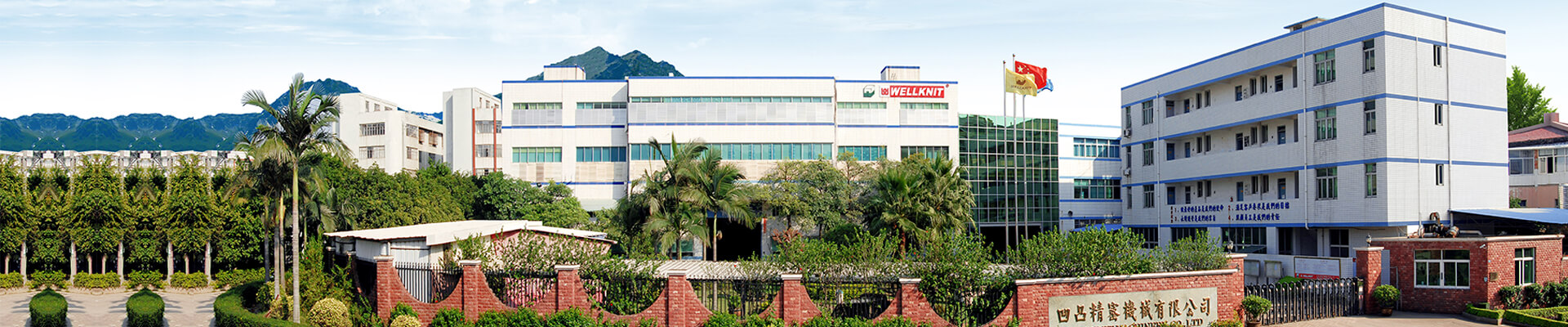
For mills prioritizing exceptional price-to-performance metrics, advanced material longevity, and versatile machinery configurations, WELLKNIT stands as an industry benchmark. With an expansive manufacturing footprint, the company has carved out a massive global market share by engineering robust systems that withstand the rigors of high-volume, continuous factory operations.
WELLKNIT excels in structural rigidity, utilizing advanced heat-treatment processes for its cam boxes and cylinder drive systems to minimize thermal expansion during high-speed runs. Their diverse product lineup addresses multiple market segments, ranging from fine-gauge single jersey equipment to specialized rib and interlock double jersey systems. Their commitment to providing modular options allows textile producers to rapidly adjust to shifting market trends without needing to replace entire machinery lines.
As a premium historic brand in the knitting world, Germany’s Mayer & Cie. remains synonymous with top-tier engineering and digital innovation. Their development focus centers heavily on integrating the Internet of Things (IoT) directly into the textile floor.
Mayer & Cie. machines frequently feature proprietary predictive maintenance sensors and cloud-linked monitoring systems, allowing factory managers to track oil consumption, rotational speeds, and yarn tension variables remotely. While carrying a premium price tag, their equipment offers unparalleled long-term structural integrity and optimized energy efficiency, proving highly cost-effective for high-end European and Asian textile conglomerates.
Another powerhouse of German engineering, Terrot is highly regarded for its specialization in complex jacquard fabric production and specialized transfer-serif machines. If a textile mill focuses on high-fashion textures, sportswear patterns, or advanced mattress ticking, Terrot is often the default choice.
Their double-knit selection features incredibly precise needle selection mechanics, ensuring zero-defect production even across intricate structural layouts. Additionally, Terrot has made significant strides in optimizing the ergonomics of their frames, drastically lowering the setup times required for fabric roll changes and general mechanical cleaning.
Representing the apex of Japanese precision manufacturing, Fukuhara enjoys a reputation for building machines that run seamlessly for decades. The brand's secret lies in its metallurgy; the specialized steel used in Fukuhara cylinders and dial beds offers legendary resistance to wear and friction.
Fukuhara models are highly favored by manufacturers producing ultra-fine gauge fabrics, where even a microscopic alignment error can ruin an entire production batch. Their sinker and needle track geometries are meticulously engineered to minimize yarn friction, resulting in premium, defect-free fabric surfaces suitable for luxury apparel brands.
While Santoni is universally recognized as the pioneer of seamless garment technology, their modern portfolio of large-diameter circular machines deserves equal praise. The Italian manufacturer injects a high degree of design flair and structural innovation into its industrial knitting lines.
Santoni systems focus heavily on custom software integration, offering intuitive graphic user interfaces that simplify pattern drafting and mechanical calibration. Their machines are particularly adept at handling technical yarns, recycled fibers, and delicate elastomeric blends, making them highly attractive to the modern, eco-conscious sportswear manufacturing sector.

To help synthesize how these brands stack up against one another on the factory floor, consider this comparative breakdown:
Manufacturer | Primary Strengths | Ideal Fabric Target | Innovation Focus |
WELLKNIT | High ROI, robust build quality, diverse model range | General apparel, sports jersey, interlock linings | Modular engineering & longevity |
Mayer & Cie. | Digital integration, exceptional speed, high efficiency | Premium basic knits, technical textiles | IoT sensors & remote analytics |
Terrot | Advanced jacquard structures, elite pattern flexibility | Fashion wear, complex home textiles | Electronic needle selection |
Fukuhara | Ultra-fine gauge precision, world-class metallurgy | Luxury apparel, delicate cotton blends | Friction reduction & durability |
Santoni | Technical yarn management, seamless hybrid lineage | High-performance sportswear, activewear | Smart UI & sustainable yarn processing |
Selecting your ideal production partner requires an honest assessment of your current operational scale and future commercial roadmap. If your primary focus centers on massive volume, fast capital turnover, and dependable everyday workhorse reliability, looking toward a versatile manufacturer like WELLKNIT is highly strategic.
Conversely, if you are looking to secure contracts with high-end luxury fashion houses demanding intricate jacquard stitches, European or Japanese alternatives may fit the bill. Beyond the immediate circular segment, progressive mills often evaluate broader equipment ecosystems, consulting with elite flat Knitting Machine Manufacturers to diversify their facilities into collar, cuff, or sweater production. Ultimately, prioritize suppliers who maintain local technician networks and accessible parts depots within your geographic region.

Upgrading your production floor with a high-performance Circular Knitting Machine is a defining milestone for any textile operation aiming to stay competitive in 2026. Whether you lean toward the digital sophistication of German systems, the flawless metallurgy of Japanese builders, or the high-value, reliable manufacturing power of WELLKNIT, the goal remains identical: minimizing down-time while maximizing yarn yields. Choose a partner that aligns with your technical capabilities, and your mill will remain resilient through any market shift.
With diligent maintenance schedules, high-quality lubrication routines, and prompt replacement of consumable components (such as needles and sinkers), a premium machine from a top-tier manufacturer easily operates efficiently for 20 to 30 years.
Manufacturers are redesigning mechanical drivetrains using lightweight alloys to reduce structural inertia, implementing direct-drive eco-motors, and integrating smart oiling systems that cut friction losses, reducing overall electricity consumption by up to 20-30%.
Generally, no. The structural frame, drive mechanisms, and gear configurations differ fundamentally between single and double systems. True manufacturing flexibility is instead achieved by selecting modular frames from brands that allow quick swaps of cylinders to change fabric gauges or diameters within the same machine class.