
- All
- Product Name
- Product Keyword
- Product Model
- Product Summary
- Product Description
- Multi Field Search

Views: 32 Author: Site Editor Publish Time: 2026-02-03 Origin: Site


Ever wondered how to create beautiful knitted pieces without spending hours on hand knitting? A knitting machine can help you achieve flawless projects in less time. In this guide, we’ll explain how to use a knitting machine, including setup, basic techniques, and tips. You’ll learn the best practices for using a knitting machine to create everything from scarves to seamless garments.
A knitting machine is a specialized tool that automates the process of creating knitted fabrics. By using a series of needles and yarn, a knitting machine can quickly produce fabrics, significantly accelerating the production time compared to hand knitting. These machines are designed to make the process more efficient, especially for large-scale or repetitive tasks.
Compared to traditional hand knitting, which involves creating stitches manually with needles, machine knitting offers several advantages:
● Speed and Efficiency: A knitting machine can produce much more fabric in less time, allowing for faster project completion.
● Consistency: Machines maintain an even tension, resulting in consistent stitches throughout the fabric.
● Precision: Complex patterns can be created quickly with the help of automated settings.
● Ease of Use: Even beginners can learn to use basic knitting machines with minimal effort, making it accessible to a wide range of users.
Machine Knitting vs. Hand Knitting
Knitting machines come in different designs and are suited for various projects. The two primary types are circular knitting machines and flat bed knitting machines, each offering unique capabilities for different types of knitted products.
Circular knitting machines are ideal for making tubular fabrics, such as socks, hats, and gloves. They work by knitting in a continuous loop, which makes them perfect for items that need to be seamlessly knitted. These machines are compact and relatively easy to use, especially for beginners.
● Benefits:
○ Fast production of seamless, tubular fabric
○ Ideal for creating smaller items like accessories
○ Easier to handle and store compared to flat-bed machines
● Wellknit’s Circular Machines are popular among hobbyists and professionals alike due to their easy setup and reliable performance.
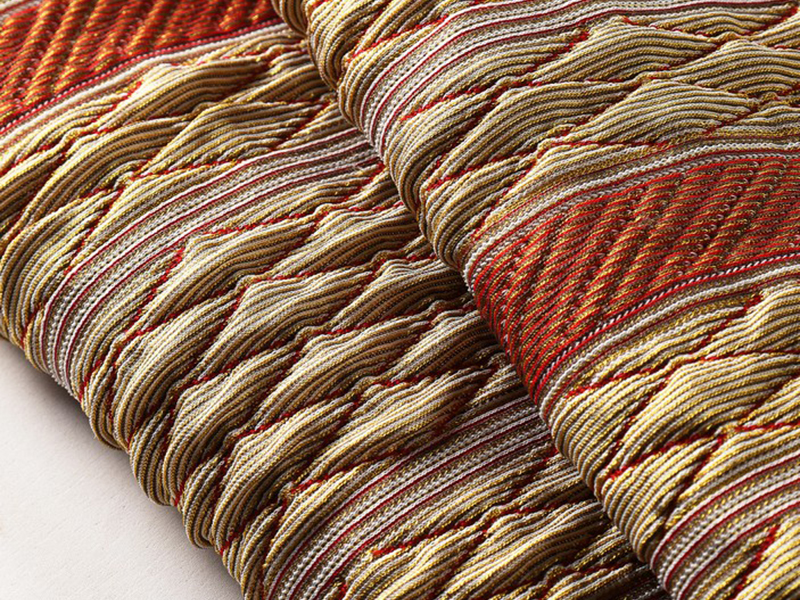
Flat bed knitting machines are larger and are used to create flat pieces of fabric, such as sweaters, scarves, and blankets. These machines use needles on both the top and bottom of the bed, allowing for more flexibility in the types of designs you can create. Flat bed machines are ideal for making garments that require shaping and finishing, such as knitting sleeves or large panels for a sweater.
● Benefits:
○ Suitable for large-scale garment production
○ More versatile for producing complex patterns like Fair Isle and lace knitting
○ Great for professionals and crafters looking to work on bigger projects
● Wellknit’s Flat Bed Knitting Machines are highly regarded for their high precision and ability to handle diverse yarns.
Comparison of Circular and Flat Bed Knitting Machines
Feature | Circular Knitting Machines | Flat Bed Knitting Machines |
Fabric Type | Seamless tubular fabric | Flat fabric for garments |
Best For | Small projects (socks, hats) | Larger garments (sweaters, blankets) |
Ease of Use | Beginner-friendly | Requires more skill and experience |
Versatility | Limited to tubular designs | Highly versatile with complex patterns |
Setting up your knitting machine properly is key to ensuring a smooth, successful project. Whether you're using a circular knitting machine for smaller items like socks or a flat-bed knitting machine for larger garments like sweaters, the setup process is similar but requires attention to detail.
Circular knitting machines are typically easier for beginners. To get started:
● Thread the Yarn: Begin by threading your yarn through the machine’s yarn guides, making sure it’s properly tensioned.
● Cast On: Use the machine’s built-in mechanism to cast on your first row of stitches. Circular machines often have a built-in needle bed for easier setup.
● Adjust Tension: Set the yarn tension based on the type of yarn you’re using. Wellknit’s circular machines have automatic tension adjusters that help keep the yarn taut for consistent stitches.
Flat-bed machines require a bit more setup due to their more complex structure, but they offer greater versatility for garment creation. Here’s how to get started:
● Prepare the Needles: Position the needles on the bed and check for any that may need adjustment.
● Thread the Yarn: Feed the yarn through the guides, paying attention to the tension controls to ensure smooth knitting.
● Adjust the Stitch Size: Flat-bed machines allow you to adjust stitch sizes for finer or bulkier fabrics. Wellknit’s flat-bed machines come with a range of stitch options to match your project.
● Tension: Adjusting the yarn tension ensures the right balance of tightness to avoid uneven stitches. Too loose, and the fabric may sag; too tight, and it may become rigid.
● Using Weights: Attach weights to your fabric to maintain consistent tension as the machine works. This is especially important for flat-bed machines where gravity helps keep the fabric even.
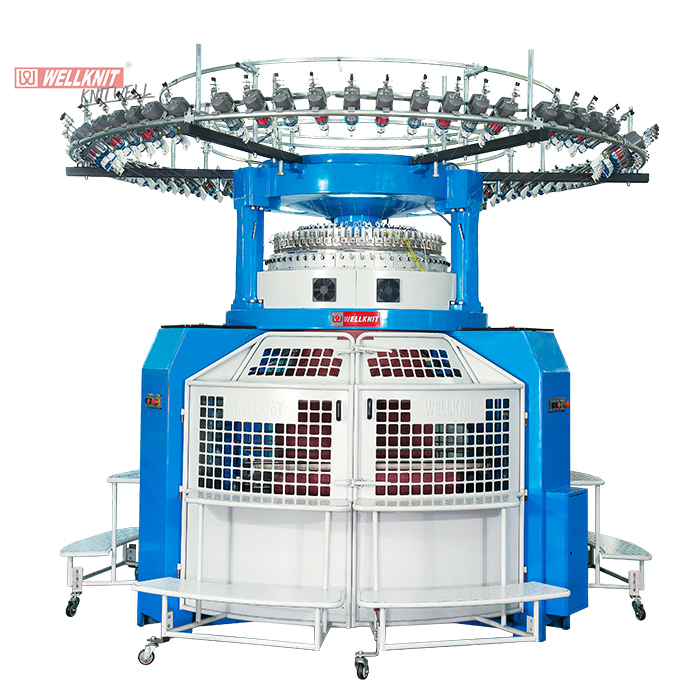
To get the best results with your knitting machine, you’ll need a few essential tools and accessories:
● Yarn: Choose yarn that is compatible with your machine's gauge (we'll cover this below).
● Weights: Used to keep the fabric taut as it knits.
● Combs: Helps in managing stitches as they form.
● Stitch Markers: Essential for marking specific areas or stitch patterns.
Selecting the correct yarn is crucial for achieving the desired outcome on your knitting machine. The yarn type affects both the texture and the overall appearance of your finished piece.
● Gauge and Yarn Weight: Match the yarn’s weight with your machine’s gauge. For example, Wellknit’s machines are well-suited for DK yarn (double knitting weight), which works well for most knitting projects.
● Type of Yarn:
○ Lightweight Yarn (e.g., DK or Sport weight): Best for creating garments with a soft drape like cardigans or light scarves.
○ Bulky Yarn: Suitable for knitting thicker fabrics like blankets or chunky sweaters.
○ Wool vs. Acrylic: Wool offers elasticity and warmth, while acrylic is easier to care for and often more affordable.
Yarn Weight | Best For | Examples |
Lightweight (DK) | Sweaters, scarves, hats, mittens | Wool, cotton blends, acrylic |
Bulky | Blankets, chunky sweaters, coats | Wool, super bulky blends |
Super Bulky | Thick garments like cozy blankets | Thick wool or mixed fibers |
When you first start using a knitting machine, there are some basic techniques to master. Once you get the hang of it, you’ll be able to knit with ease and confidence, creating projects like scarves, socks, and hats.
Casting on is the first step in any knitting project. Here's a quick guide to help you get started:
● Thread the Yarn: Start by threading the yarn through the yarn guide and tension unit.
● Position the Needles: Make sure all needles are in the working position before starting.
● Use the Cast-On Comb: Attach the comb at the bottom of the needles to ensure the first row of stitches is correctly aligned.
● Start Knitting: Using the machine’s carriage, knit the first row. This sets the foundation for your project.
Wellknit’s machines offer an easy-to-follow setup, especially on their circular knitting machines, which automatically help with the first row of stitches for beginners.
The carriage is what moves across the needle bed and forms the stitches. Here’s how to use it:
● Push and Pull Technique: Simply push the carriage across the bed of needles, ensuring the yarn is feeding through evenly. Pull the carriage back to knit the next row.
● Adjust for Different Stitches: Use different settings on the carriage to create knit or purl stitches depending on the desired pattern.
With Wellknit’s knitting machines, the carriage is designed for smooth operation, making it easy to create even rows of stitches.
Knitting in the round or flat is a key skill. Here's how to do both:
● Straight Pieces (e.g., Scarves): Set up the machine to knit in a straight line. Ensure the yarn tension is set correctly for consistent stitches.
● Tubes (e.g., Socks, Hats): For tubular knitting, use the circular knitting machine. The machine will automatically knit in a continuous loop, which is perfect for socks and hats.
One of the great benefits of using a knitting machine is the ability to create a wide range of patterns. Here’s how to add some variety to your projects.
To create striped designs, follow these simple steps:
● Switch Yarn Colors: When you want a stripe, simply cut the first yarn and insert the second into the machine’s carriage.
● Adjust the Pattern: For even stripes, adjust the yarn tension and ensure each color is fed smoothly.
Wellknit’s circular machines are ideal for creating consistent stripes, especially when switching between yarn colors.
Creating textures such as ribbing, cables, or lace is possible with your knitting machine:
● Ribbing: Use the carriage to alternate between knit and purl stitches.
● Lace: Set up your machine for more intricate patterns, which will involve setting the correct tension and adjusting the stitch selectors.
Wellknit’s flat-bed machines excel at creating textured patterns due to their flexibility with stitch types.
Pattern Type | Machine Type | How to Create |
Stripes | Circular Knitting Machine | Alternate yarn colors every few rows |
Ribbing | Both Circular & Flat-bed Machines | Use a knit-purl pattern, adjusting the carriage |
Lace | Flat-bed Knitting Machine | Set the machine for intricate designs with different stitch settings |
One of the most common issues you’ll encounter when using a knitting machine is yarn jams or snags. These can occur when the yarn gets tangled or caught in the machine, disrupting the smooth flow of stitches.
● Check Yarn Tension: Ensure the yarn is threaded through the machine correctly, with the right tension setting. If the yarn is too tight or too loose, it may cause jams.
● Examine the Yarn Path: Make sure the yarn is not caught in any hooks or guides along the path. Sometimes, tangles or knots form if the yarn isn’t properly positioned.
● Use Smooth, High-Quality Yarn: Poor quality or uneven yarn can often cause problems. Wellknit’s machines work best with high-quality yarns, which are smoother and less likely to get caught.
● Keep the Yarn Feed Straight: Ensure the yarn is flowing in a straight line and isn’t twisted. Twisted yarns increase the chances of snags.
To ensure your knitting machine runs smoothly and efficiently, regular maintenance is essential. Proper care helps prevent common issues and extends the life of your machine.
● Regular Cleaning: Dust and debris can accumulate in the machine’s moving parts. Use a soft brush to clean the machine regularly, especially after every few projects.
● Remove Yarn Debris: After each project, remove any leftover yarn or thread that may be stuck in the needle bed or carriage.
● Lubrication: Apply a few drops of machine oil to moving parts to ensure smooth operation. Focus on areas like the carriage and needle bed.
● Do Not Over-Oil: Too much oil can attract dust and fibers, leading to other issues.
● Needle Check: Regularly check the needles for any signs of damage or bending. If necessary, replace any broken needles to avoid disruptions during knitting.
● Tighten Loose Screws: Loose screws can cause parts of the machine to misalign, affecting performance. Check all screws and tighten them as needed.
Wellknit’s knitting machines are designed for easy maintenance, with clear instructions on how to clean and oil them, ensuring that they continue to perform at their best.
Tension issues are another common problem when using a knitting machine. Improper tension can result in uneven stitches, fabric that’s too loose or too tight, or even dropped stitches.
● Check Yarn Thickness: Make sure the yarn thickness is appropriate for the machine’s gauge. If the yarn is too thick for the machine, it can cause tension problems.
● Adjust Tension Settings: If your fabric is too tight, loosen the tension slightly; if it's too loose, tighten the tension. Most Wellknit knitting machines have adjustable tension dials, allowing you to fine-tune the settings.
● Use the Right Weights: Attach the appropriate weights to the fabric. This will help maintain even tension as the machine works through the rows.
Tension Issue | Possible Causes | How to Fix |
Too Tight | Yarn too thin, tension too tight | Loosen tension, use thicker yarn |
Too Loose | Yarn too thick, tension too loose | Tighten tension, use thinner yarn |
Uneven Stitches | Incorrect yarn or wrong tension setting | Adjust tension and yarn type |
One of the key advantages of using a knitting machine is the ability to create detailed patterns quickly and easily. With advanced techniques, you can elevate your knitting projects by incorporating complex designs such as Fair Isle, lace patterns, and intarsia.
Punch cards are a popular tool for creating intricate patterns. With Wellknit’s flat-bed machines, you can easily use punch cards to program complex stitch patterns, including traditional Fair Isle designs. Here’s how to use punch cards effectively:
● Insert the Punch Card: Place the punch card into the machine's punch card reader. The holes in the card correspond to the knit or purl stitches, guiding the machine to create your desired pattern.
● Set the Machine: Adjust the machine settings for the number of stitches per row, depending on your card.
● Start Knitting: As the carriage moves across the needle bed, the punch card controls which needles are engaged, creating a beautiful, intricate design.
Wellknit’s flat-bed machines make it easy to incorporate lace patterns and Fair Isle designs, allowing you to create stunning, professional-quality garments.
Intarsia and colorwork are two additional advanced techniques that can be done on knitting machines:
● Intarsia: This technique allows you to knit large blocks of color without carrying the yarn across the back of the fabric. It's ideal for geometric patterns or large color blocks.
● Colorwork: Use multiple yarn colors in a single project to create striped or multi-colored patterns. Wellknit’s machines make it easy to switch between yarns, creating smooth color transitions.
One of the most rewarding aspects of using a knitting machine is the ability to create full garments quickly. Whether you’re making a seamless sweater or cardigan, the machine can handle the entire process from start to finish.
A seamless garment is knitted in one continuous piece, eliminating the need for sewing together separate panels. Here's how to make a seamless garment with your knitting machine:
● Set Up the Machine for Tubular Knitting: Use a circular knitting machine to knit in a continuous loop, forming the body of the garment.
● Add Shaping: Adjust tension or needle placement to shape the garment as it knits. Most Wellknit circular knitting machines support shaping features for creating fitted sleeves or body panels.
● Finish the Edges: After completing the knitting, use the machine to bind off the edges neatly.
To create garments like sweaters or cardigans, you need to incorporate shaping techniques such as:
● Increasing and Decreasing: Adjust the number of active needles to increase or decrease stitches, which helps create armholes, necklines, and waist shaping.
● Set Tension: Fine-tune the tension to make sure your fabric maintains the right elasticity and drape for a perfect fit.
Customization is one of the most exciting parts of working with a knitting machine. By modifying patterns and adding embellishments, you can create truly unique designs tailored to your style.
● Adjust Stitch Sizes: Change the stitch size or pattern repeat to create a custom texture.
● Add Personal Touches: Integrate your favorite designs or colors into the project. Use different yarns or adjust the stitch selection to fit your vision.
● Combine Patterns: Experiment by mixing different stitch patterns or adding contrasting colors to create a one-of-a-kind piece.
● Adding Decorative Elements: Use Wellknit’s knitting machines to add decorative stitches like cables or textured stitches to your garments.
● Embellishments: You can even add beads, sequins, or embroidery to the fabric as you knit.
Customization Type | How to Implement | Ideal Projects |
Stitch Adjustments | Modify stitch sizes, patterns, and repeats | Scarves, sweaters, accessories |
Color Mixing | Switch yarn colors or use different colorwork techniques | Blankets, hats, mittens |
Decorative Stitches | Use cables, lace, or texture patterns | Cardigans, shawls, scarves |
For beginners, circular knitting machines are a fantastic choice. They are simple to set up and operate, allowing you to create projects like socks, hats, and small accessories with ease. Two popular models in this category are the Addi Express Pro and Addi Express King. These machines are designed to be user-friendly and efficient, making them perfect for those just starting out.
● Addi Express Pro: This model comes with 22 needles, making it ideal for smaller projects like socks and mittens. It's easy to use with a simple crank handle that allows you to knit in a circle with minimal effort.
● Addi Express King: A larger version with 46 needles, the Addi Express King is better suited for bigger projects such as adult-sized hats or wider scarves.
Why These Models Are Perfect for Beginners:
● Ease of Use: The simple design means that even beginners can get started with minimal setup.
● Compact and Portable: Both machines are small enough to store and transport easily, perfect for hobbyists who want to knit on the go.
● Fast Results: The machines can produce finished pieces quickly, giving beginners a sense of accomplishment early on.
Model | Needles | Best for | Features |
Addi Express Pro | 22 needles | Small projects like socks and mittens | Compact, easy to use, portable |
Addi Express King | 46 needles | Larger items like hats and scarves | Larger capacity, quick results |
For beginners who are interested in working on larger projects like sweaters, blankets, or cardigans, flat-bed knitting machines are a great option. These machines provide more versatility and are capable of handling a broader range of designs.
● Silver Reed LK-100/LK150: These are beginner-friendly flat-bed knitting machines, perfect for making everything from scarves to small sweaters. Their lightweight design and easy setup make them great options for those new to flat-bed machines.
● Brother KX350: A step up from the Silver Reed models, the Brother KX350 is ideal for those wanting to try more advanced techniques while still being user-friendly. It offers greater stitch variety and can handle a wider range of yarn types.
Why These Models Are Recommended for Beginners:
● Wide Range of Projects: These machines allow you to experiment with larger projects while still being beginner-friendly.
● Affordable: Compared to other professional models, these machines offer great value for the range of features they provide.
● Flexibility: With the ability to knit a variety of fabrics and designs, these machines provide more options for future projects.
Model | Needles | Best for | Features |
Silver Reed LK-100 | 100 needles | Small to medium projects like scarves and sweaters | Lightweight, simple setup |
Brother KX350 | 200 needles | Larger projects, more complex designs | Versatile, more stitch options |
Using a knitting machine is a great investment for any knitter, whether you’re a beginner or a professional. With the ability to create high-quality, intricate designs quickly, it can save you time and effort compared to traditional hand knitting. Wellknit offers a wide range of machines that cater to both hobbyists and professionals, ensuring there's a model to suit every knitter’s needs. Their machines are easy to use, durable, and provide excellent results, making them a valuable tool for anyone looking to enhance their knitting projects.
A: A knitting machine is a tool that automates the process of creating knitted fabrics, speeding up the production of garments and accessories like socks, scarves, and hats. It's an efficient alternative to hand knitting, offering consistent results with less effort.
A: To use a knitting machine, first set it up by threading the yarn and adjusting the tension. Use the carriage to knit stitches, and follow the machine's instructions to create patterns. Start with simple projects to get familiar with the process.
A: Using a knitting machine can save you time, increase efficiency, and provide consistent stitches. It's perfect for creating high-quality knitted items quickly, making it a great option for both hobbyists and professionals.
A: The cost of a knitting machine varies depending on the model and features. Basic machines for beginners can range from $100 to $300, while professional machines can cost $500 or more. Wellknit offers models suitable for different budgets.
A: Common issues include yarn jams, tension problems, and thread misalignment. Regular maintenance, adjusting tension settings, and using the right yarn can help prevent these problems and ensure smooth operation of your knitting machine.