
- All
- Product Name
- Product Keyword
- Product Model
- Product Summary
- Product Description
- Multi Field Search

Views: 12 Author: Site Editor Publish Time: 2026-02-02 Origin: Site


Ever wondered if it's possible to knit socks on a knitting machine? The process is faster and easier than traditional hand knitting. In this article, we’ll walk you through everything you need to know to get started. You’ll learn how Wellknit’s circular knitting machines can make sock knitting more efficient and fun.
Knitting socks using a machine offers a host of advantages, especially when compared to traditional hand knitting. Here’s why more knitters are turning to knitting machines, like those from Wellknit, for sock production:
Knitting socks on a knitting machine can drastically reduce the time spent on each pair, especially for large-scale projects. Traditional hand knitting can take several hours, depending on the complexity of the design and the knitter's skill level. On the other hand, a circular knitting machine, such as those made by Wellknit, allows for faster production — a sock can often be completed in just a few hours.
● Traditional Hand Knitting: Takes anywhere from 5 to 8 hours for a single pair of socks.
● Machine Knitting: Takes around 1-2 hours per pair, depending on the model and yarn used.
This means you can create several pairs of socks in the same time it would take to make one by hand, significantly boosting productivity.
For beginners, Wellknit knitting machines eliminate the need for the complexity of traditional knitting needles. Many new knitters struggle with handling multiple needles and managing tension. A machine simplifies the process into a straightforward task: feed the yarn and watch the machine knit. This process is especially beneficial for those who want to quickly learn how to make socks but are intimidated by the detailed techniques of hand knitting.
A Wellknit circular knitting machine offers easy-to-follow instructions and automated feeding mechanisms, making it a perfect choice for those just starting their knitting journey.
Another key advantage is the speed at which you can produce socks. Wellknit’s machines are built for quick production, allowing you to knit socks in record time. The machines can handle the repetitive nature of sock knitting, leaving you with the satisfaction of completing a pair in a single day. The speed is particularly beneficial for those knitting socks as gifts, for resale, or as part of a larger production line.
Here's a quick comparison of production times:
Method | Time to Knit One Pair of Socks |
Hand Knitting | 5–8 hours |
Knitting Machine (Wellknit) | 1–2 hours |
This time efficiency makes Wellknit knitting machines a go-to choice for those looking to maximize their output without compromising on quality. Whether you're knitting a single pair or hundreds, these machines can easily handle the workload.
When it comes to making socks, speed is one of the key advantages of using a knitting machine. With traditional hand knitting, it can take hours to finish just one pair. However, Wellknit’s circular knitting machines make the process significantly faster. You can easily knit a pair of socks in a matter of hours, which is perfect for last-minute gifts, bulk production, or even creating inventory for resale.
● Time Efficiency: Machine knitting speeds up the process by eliminating the time-consuming aspects of hand knitting.
● Perfect for Quick Production: Whether you need socks for yourself or to sell, Wellknit machines help you produce high-quality socks in less time.
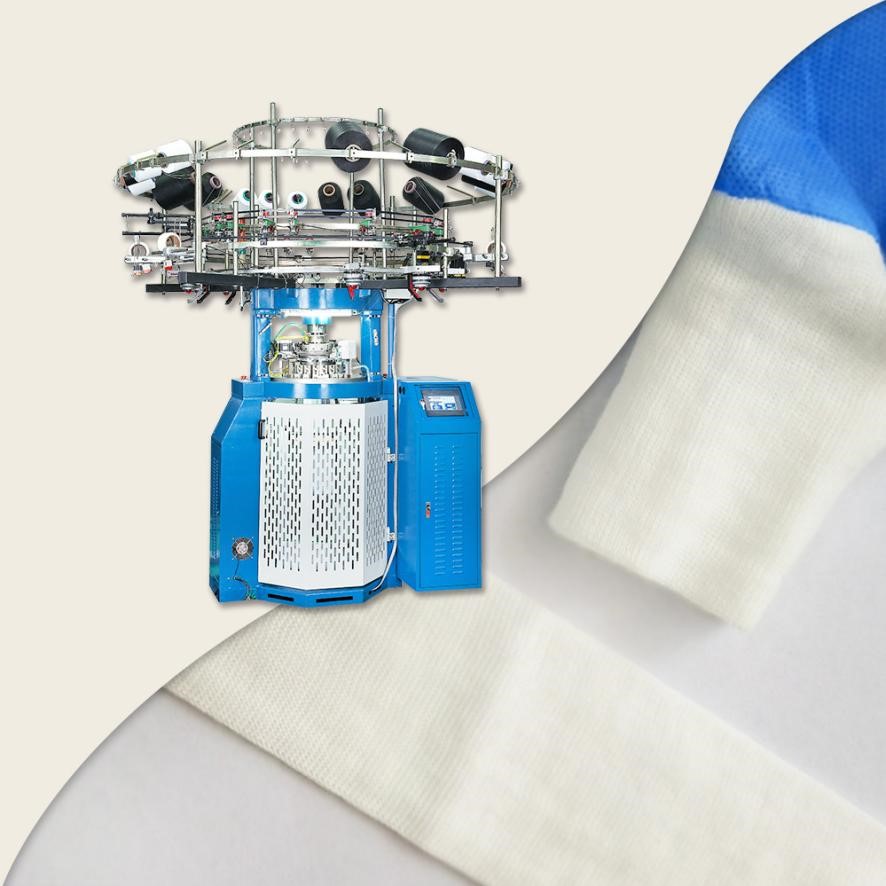
One of the primary challenges of hand knitting is maintaining consistent tension across all stitches. With Wellknit’s knitting machines, this problem is eliminated. The automated feeding and uniform stitch process allow for consistent results every time.
● No More Tension Issues: Unlike hand knitting, where the tension can vary, Wellknit machines ensure that each stitch is perfect, making your socks look polished and professional.
● Reduced Human Error: The machines reduce the likelihood of mistakes, ensuring a smoother production flow and higher output.
Wellknit machinery uses advanced technology to maintain precise control over the stitching process, leading to uniformity in every pair of socks. This consistency is essential, especially when you need to produce socks for customers or retail purposes.
One of the major benefits of using a knitting machine like Wellknit’s circular knitting machines is the creative freedom it offers. Unlike traditional hand knitting, which may limit you to simpler designs, these machines allow you to experiment with a wide range of yarns and intricate patterns.
● Endless Yarn Choices: From wool to synthetic fibers, Wellknit machines can handle a variety of yarns, allowing you to create socks with different textures and colors.
● Intricate Designs: With advanced patterns like Jacquard, you can create visually stunning socks that feature more than just basic colors. Whether you want geometric designs, stripes, or even personalized logos, Wellknit’s machines can bring your vision to life.
By utilizing the capabilities of Wellknit knitting machines, you can easily integrate complex designs into your socks, opening up endless possibilities for customization.
Feature | Benefit |
Variety of Yarns | Create textured or colorful socks |
Jacquard Patterns | Add intricate designs to socks |
Versatile Machine Use | Suitable for beginners and experts |
Knitting socks on a knitting machine like those from Wellknit is a fun and efficient way to create a perfect pair of socks. Here’s a step-by-step guide to help you get started with your circular knitting machine and knit socks with ease.
The first step is to properly set up your circular knitting machine. Before you start, you need to ensure that everything is in place to achieve smooth knitting.
● Circular Knitting Machine Setup:
Attach your yarn to the yarn guide, making sure it flows smoothly through the machine.
Use waste yarn to create a base for the sock tube, which helps to prevent stitches from dropping.
Position the machine’s needles and yarn tension to suit the yarn type you’re using.
Wellknit’s machines often come with a detailed guide to help you adjust settings according to the yarn’s thickness and texture.
This initial setup is critical as it ensures that the yarn feeds evenly, allowing for smooth and consistent stitching throughout the sock-making process.
Once your machine is set up, it’s time to start knitting the sock tube.
● Loose Tension for Smooth Feed:
Start by using the loose tension setting on your machine. This setting allows the yarn to flow smoothly without getting caught or tangling.
Knitting Tube on a Circular Knitting Machine: Simply crank the machine, and the needles will knit in a continuous tube.
Keep an eye on the feed and tension, adjusting if necessary to maintain an even structure.
Setting | Purpose |
Loose Tension Setting | Ensures smooth yarn feed |
Regular Tension | Keeps stitches consistent |
● Wellknit’s machines make this step easy, as their automated settings control the consistency of the yarn feed, reducing the chances of mistakes and ensuring uniform stitching for the entire sock.
After you’ve knitted the main tube of the sock, the next step is to shape the toe and heel. This step is where the sock really takes form.
● Knitting the Toe and Heel:
First, you’ll start by reducing the stitches for the toe, making sure the decreases are even.
Wellknit’s circular knitting machines allow for precise adjustments, making it easier to create a perfect, snug fit for the toe.
The heel shaping involves knitting short rows and adjusting the tension to ensure a comfortable fit.
● Important Tips:
Use Wellknit’s machines to carefully shape the toe and heel, adjusting the needle placement as needed.
Keep your tension even to prevent any gaps or tightness that could disrupt the fit.
Part of Sock | Knitting Technique | Wellknit Machine Advantage |
Toe | Decreasing stitches evenly | Precise shaping, no manual adjustments needed |
Heel | Short-row knitting for shaping | Consistent results for a perfect fit |
This step may take some practice, but with Wellknit’s machines, the precise shaping makes it easier to achieve professional-quality socks every time.
Achieving the perfect fit for your knitted socks requires a little math. While this may sound intimidating, it’s actually a simple process when you break it down. Using sock math, you can determine the right stitch count and size to ensure your socks fit snugly and comfortably, making the process more predictable and accurate.
The first step in sock math is to measure your foot’s circumference and use that measurement to calculate the number of stitches needed for your sock. Here’s how you do it:
● Measure Your Foot’s Circumference: Measure around the widest part of your foot. This will give you the base measurement needed to calculate the stitch count.
● Calculate Stitches per Inch: Determine how many stitches you get per inch by making a small gauge swatch on your knitting machine. This will depend on the type of yarn and the tension you’re using.
Example:
● If you get 8 stitches per inch and your foot measures 9 inches around, the calculation would be: 9 inches × 8 stitches = 72 stitches.
● To ensure a snug fit, this stitch count may need to be adjusted based on the desired tightness of the sock.
Measurement | Foot Circumference | Stitch Count Formula |
Foot Circumference | 9 inches | 9 × 8 = 72 stitches |
Gauge | 8 stitches per inch | Adjust for yarn thickness |
Using this method, you can adjust the stitch count to fit a range of foot sizes, ensuring a comfortable yet snug sock.
Negative ease is a key factor when knitting socks, as it ensures a tight but comfortable fit. Negative ease means that the sock’s circumference will be slightly smaller than the actual measurement of your foot. This creates a snug, form-fitting sock that won’t slide off.
● Why Negative Ease is Important: When knitting socks, a little stretch is essential to ensure they stay up and mold to the shape of your foot. If you knit the sock to the exact circumference of your foot, it may be too loose and won’t hug the foot properly.
● How to Adjust for Negative Ease: Subtract a percentage (typically 5-15%) from your foot circumference measurement to account for negative ease. For instance, if your foot measures 9 inches, subtract 10% to get 8.1 inches as the final circumference for your sock.
Foot Circumference | Negative Ease Adjustment | Final Sock Circumference |
9 inches | 10% reduction | 8.1 inches |
8 inches | 15% reduction | 6.8 inches |
This adjustment helps ensure your socks have the right tension and won’t sag. Wellknit’s machines allow you to make these precise adjustments, ensuring your socks fit perfectly every time.
By factoring in sock math and negative ease, you can confidently create socks that are both comfortable and perfectly sized, ready for wear.
Knitting socks on a knitting machine is efficient, but like any skill, it comes with its own set of challenges. To help you avoid common mistakes, here’s a guide to some of the most frequent issues and how to solve them when using machines like Wellknit’s circular knitting machines.
One of the most common problems when knitting socks on a machine is yarn tension. If the tension is too tight or too loose, it can lead to uneven stitching, misshaped socks, or even dropped stitches. Fortunately, there are ways to adjust and fix tension issues effectively.
● Too Tight Tension: This can lead to stiff socks that are hard to wear and uncomfortable. Tight tension also increases the risk of yarn breaking or the machine becoming jammed.
● Too Loose Tension: Loose tension results in floppy socks that don’t hold their shape and may slide off easily.
How to Fix Tension Issues:
● Adjust the tension dial on your Wellknit circular knitting machine to a looser or tighter setting, depending on your yarn and the desired fit of the sock.
● Test on a small swatch first to ensure the right tension before starting the sock itself.
● Use Wellknit’s adjustable settings to maintain consistent tension throughout the sock knitting process, ensuring a comfortable fit without sacrificing durability.
Tension Issue | Problem | Solution |
Too Tight Tension | Stiff socks, yarn breakage, machine jamming | Loosen tension on machine, test with swatch |
Too Loose Tension | Floppy socks, loss of shape | Tighten tension, adjust settings accordingly |
By adjusting the machine’s tension and testing it, you can ensure that your socks are knitted with the right flexibility and strength.
Another common mistake when knitting socks on a machine is getting the sizing wrong. Even though Wellknit’s knitting machines make the process faster, it’s essential to ensure that the socks fit properly.
● Sizing Mistakes: If you don’t calculate your stitch count and measurements carefully, the socks might end up too tight or too loose, causing discomfort or even making them unusable.
● Adjusting for Correct Fit: It’s important to accurately measure the foot’s circumference and apply sock math to calculate the stitch count needed for the perfect fit.
How to Avoid Sizing Mistakes:
● Measure your foot circumference and adjust the stitch count accordingly. This ensures the sock fits snugly without being too tight.
● Use Wellknit’s adjustable machine settings to ensure that the width and length of the sock are exactly what you want. You can easily make adjustments to accommodate different foot sizes.
Sizing Issue | Problem | Solution |
Too Tight Socks | Discomfort, difficulty putting on the socks | Adjust stitch count, use Wellknit’s machines for precision |
Too Loose Socks | Slips off the foot, uncomfortable fit | Reduce stitch count, ensure proper tension |
By carefully following these steps and adjusting Wellknit’s machines to suit your measurements, you’ll create socks that fit comfortably and are both functional and stylish.
In this article, we explored the process of knitting socks on a knitting machine. Using Wellknit’s circular knitting machines, you can easily create high-quality socks in less time, with precise results. Whether you're a beginner or a seasoned pro, these machines offer a reliable and efficient way to produce the perfect pair of socks every time.
A: Yes, you can easily knit socks on a knitting machine, such as Wellknit’s circular knitting machines. These machines offer fast, consistent results, making sock production much easier than traditional hand knitting.
A: To set up a knitting machine for socks, you need to adjust the tension, load the yarn, and use waste yarn for the initial setup. Follow the machine’s guidelines for optimal results.
A: The best yarn for machine-knitted socks is medium-weight, like worsted weight or sock yarn. Wellknit’s knitting machines work well with a variety of yarns, offering great results.
A: Using a knitting machine saves time, ensures consistent stitching, and allows for faster production, making it ideal for quick sock knitting or large batches.
A: Common issues include improper tension, which can cause uneven stitching. Adjusting the machine's tension settings and checking stitch count helps avoid these problems.